
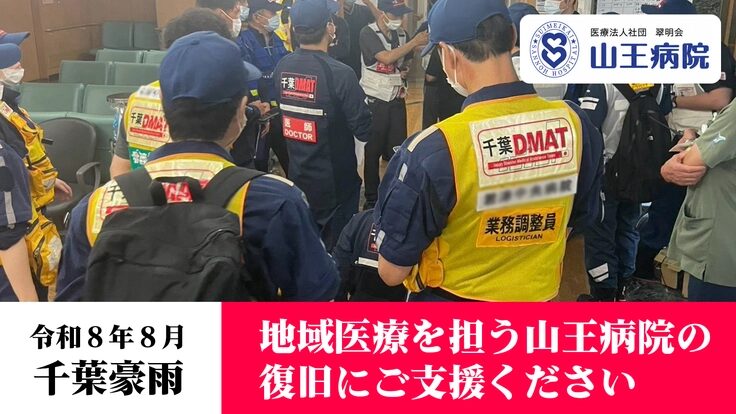
This is an emergency fundraising campaign supporting St. Margaret's Hospital in Yachiyo, a city in Chiba Prefecture, after it was damaged by severe flooding in August 2026 (Reiwa 8). Launched on READYFOR, one of Japan's leading crowdfunding platforms, the campaign calls for urgent support to keep the hospital's medical functions running in the aftermath of the disaster.
While the project description does not spell out the exact scale of damage, the funding target, or how donations will be used, it clearly centers on a cause with strong social significance: supporting a medical institution immediately after a disaster strikes.
By framing the appeal around maintaining local healthcare infrastructure—a matter of clear public interest—the campaign is positioned to draw sympathy and support not only from residents of the affected area but from donors across Japan.
Highlights
- Launching the appeal right after the disaster helps generate strong public sympathy
- Framing the cause around protecting local healthcare infrastructure gives it broad public appeal
- Disclosing concrete details about the damage will be key to building donor trust going forward
Why this campaign attracts support
Editorial analysis based on publicly available information. It is not a confirmed account of why backers chose to give.
This project's fundraising potential rests on the combination of two powerful elements: the urgency of disaster relief and the public interest in protecting local healthcare. A hospital is essential community infrastructure, making it a cause that resonates not just with those directly affected, but with supporters nationwide who value medical access as a social good.
Launching the campaign immediately after the disaster also means it can ride the wave of news coverage and word-of-mouth sharing, lowering the psychological barrier for people deciding whether to donate.
That said, the current description lacks specifics on the scale of damage, the breakdown of funds needed, and how donations will be spent—whether on facility repairs or operating costs. For a project like this to reach its full potential, the hospital will likely need to share more detailed updates, including photos of the damage and testimonials from medical staff. This kind of firsthand, on-the-ground storytelling tends to be decisive in expanding support for emergency relief campaigns.
Did this article help you?

A note from the editors
This is an emergency campaign to protect local healthcare right after a disaster struck. Supporting the recovery of a hospital—essential infrastructure for daily life—is a cause that tends to resonate widely, both within and beyond the affected region. At this stage, however, the project description doesn't yet reveal specifics like the extent of the damage or the funding target.
As the hospital shares more details going forward—such as the condition of the facility, how funds will be used, and voices from staff on the ground—donors will likely have more to go on when deciding to give. For organizations considering emergency crowdfunding campaigns of their own, this case is worth watching as an example of just how important rapid, timely communication is in the immediate aftermath of a disaster.