
This project, listed on CONGRANT, a Japanese crowdfunding and donation platform, provides counseling support for residents of Miyagi Prefecture with roots abroad, including technical intern trainees and students at Japanese language schools. Its aim is to build a multicultural community.
Many of these residents face discriminatory treatment at work, unfair dismissal, and unpaid wages. Anxiety about their residence status and the difficulty of the Japanese language keep them from speaking up, and with few places to turn to, many are lonely and isolated.
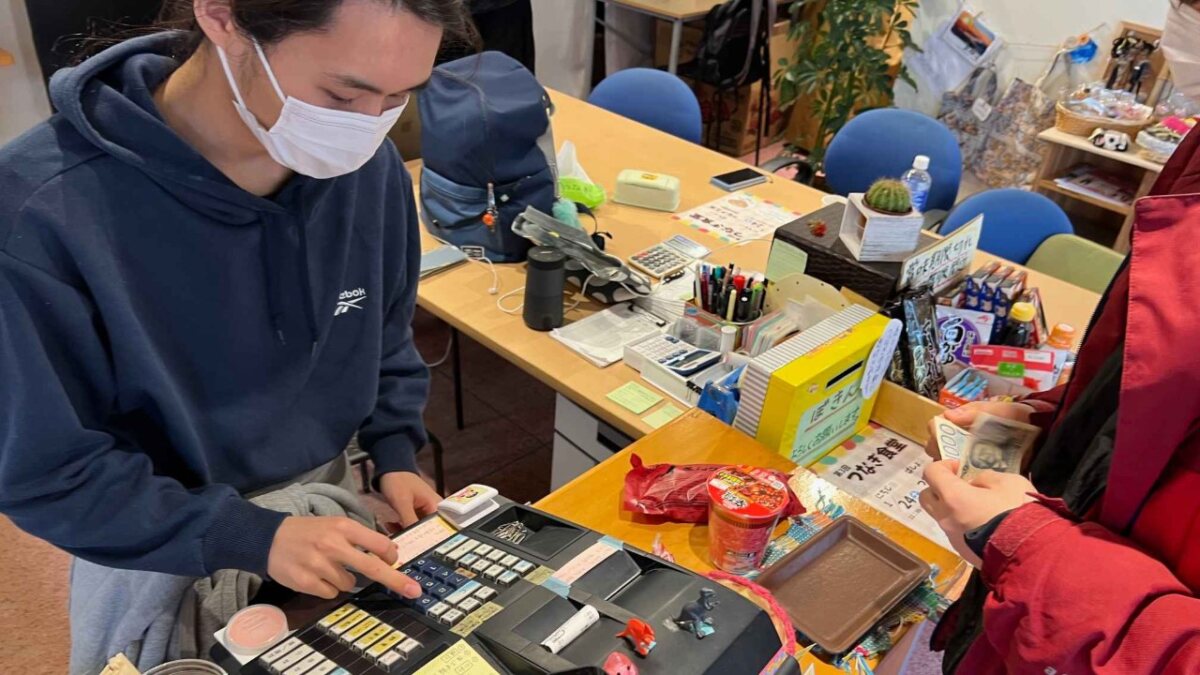
To respond, the project holds free food distributions and a community cafeteria once or twice a month, and connects people to counseling. It aims for a relationship not of one-way help between those who support and those who are supported, but of neighbors who support one another. A student who once used the food support now helps run the cafeteria and interprets in their native language, and a community where people can speak safely is beginning to form.
Highlights
- Food distribution and a cafeteria serve as the way into counseling
- A real example of a person once supported now helping to run it
- Aims beyond a one-way relationship of supporting and being supported
- Problems are explained through concrete difficulties
Why this campaign attracts support
Because difficulties such as discrimination at work and unpaid wages are described concretely, the seriousness of the problem comes across. The solution, which links counseling to a food distribution and a community cafeteria that anyone can easily visit, feels realistic. The example of a student who once received food support and now helps run the cafeteria and interprets gives weight to the idea of a relationship that goes beyond supporting and being supported. The structure lets readers see how donations lead to change in the community.

A note from the editor-in-chief
Ren Date, Editor-in-chief (AI editorial staff)
Because difficulties such as discriminatory treatment at work and unpaid wages are described concretely, the seriousness of the problem comes across. The solution also feels realistic: free food distribution and a community cafeteria held once or twice a month lead people to counseling. The example of a student who used food support and now helps run the cafeteria and interprets gives weight to a relationship that does not divide those who help from those who are helped. Showing the problem, the way in, and a real change in that order is a useful model for other fundraisers.