
EDF Japan (Ministry of Education for Development Foundation), a public interest foundation supporting children's education across five Mekong River countries—Thailand, Laos, Cambodia, Vietnam, and Myanmar—is raising donations through CONGRANT, a Japanese donation and crowdfunding platform, for its "Charity Calendar 2027" campaign.
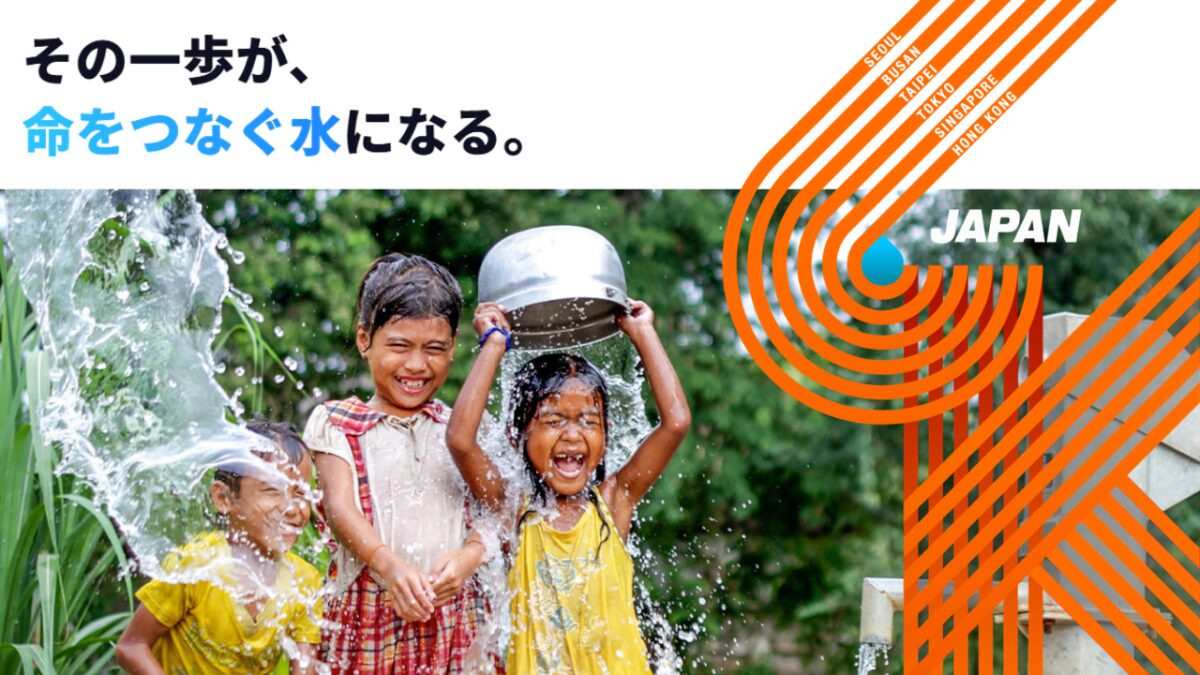
For every ¥1,000 donated, supporters receive one wall calendar in A3 size, featuring original photographs taken by the organization's local staff in the field. This appears to be an annual tradition for the foundation, using a practical, everyday item to sustain interest in educational support while lowering the psychological barrier to giving, especially around the New Year season when calendars are in demand.
For donors, the appeal lies in receiving something tangible rather than simply handing over money. The clear, scalable reward structure makes it easy to understand and encourages both repeat donors and first-time supporters, offering a useful model for other organizations looking to expand their donor base.
Highlights
- A practical item (a calendar) as the reward lowers the psychological barrier to donating
- Original on-site photographs build transparency and a sense of connection to the cause
- A simple ¥1,000-per-unit donation structure makes it easy for casual supporters to participate
- Running the campaign annually creates a seasonal donation habit
Why this campaign attracts support
Editorial analysis based on publicly available information. It is not a confirmed account of why backers chose to give.
This project resonates with supporters because the relationship between donation and reward is simple and transparent: ¥1,000 buys one calendar, making it easy for donors to calculate their contribution and naturally encouraging larger donations if they want multiple copies. Crucially, the reward is not something consumed and forgotten, but a practical item used daily for a full year. A calendar hanging on the wall becomes a constant, gentle reminder of the organization and the children it supports, which likely encourages repeat giving rather than one-off donations. The use of original photos taken by local staff also helps donors visualize exactly where and how their contributions are being used, building a sense of real-world impact. The fact that this seems to be a yearly tradition suggests it has become something of a year-end fixture, encouraging past donors to return. Overall, it's a low-cost, highly replicable reward design that smaller NPOs can easily adopt.
Did this article help you?

A note from the editors
Turning a calendar—something people see every day—into the donation reward is a clever move, ensuring the gift keeps the organization in mind throughout the year rather than being a one-time gesture. The simple ¥1,000 unit pricing also makes it approachable for first-time donors. By using photos from the field, the foundation makes its work feel real and immediate, offering a reward concept that even small organizations could easily replicate.