
In Mali, in West Africa, cervical cancer is described as the deadliest cancer among women, yet it is largely preventable through HPV vaccination and early screening. Mali introduced the vaccine in 2024, but low public awareness, low literacy and pervasive misconceptions are said to hold back uptake.
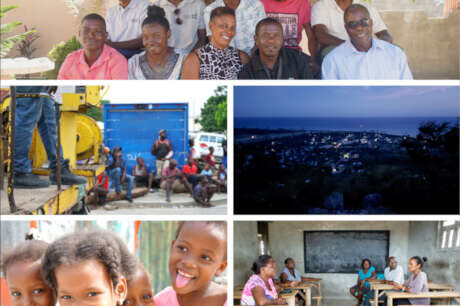
The GAIA Vaccine Foundation works to educate communities about HPV and its direct link to cervical cancer, dispel myths and build trust, so that vaccination can expand to protect young girls.
The project is seeking support on GlobalGiving, an international donation platform.
Editorial analysis
Highlights
- The problem and the solution connect in a single sentence
- Concrete work: dispelling myths
- Seeks support through an international platform
Editorial analysis
Why this campaign attracts support
Our reading of publicly available information. It does not guarantee any outcome.
The problem is clear: people die of a disease that can largely be prevented. The solutions, HPV vaccination and early screening, are also easy to grasp. By naming specific barriers, namely low awareness, low literacy and misconceptions, and tying them to community education and trust-building, the project shows why support matters. Fundraisers in Japan can learn from the approach of explaining the situation and its obstacles carefully before asking for help.


A note from the editor-in-chief
Ren Date, Editor-in-chief
This project shows the scale of the problem and the obstacles behind it, then presents activities matched to those obstacles. Japanese fundraisers can borrow the idea of explaining what keeps people from acting before asking for support, without leaning too heavily on numbers or technical terms. When supporting an overseas organization, it is worth checking in advance how donations are treated, since this may differ from donations to Japanese groups.