
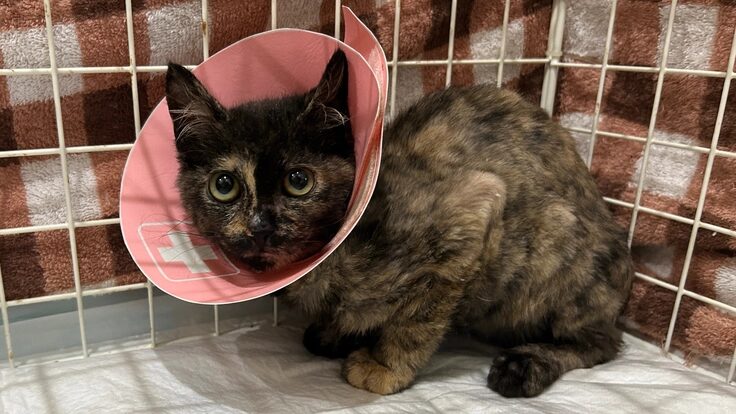
The aoneco project, a group supporting rescued cats through creative making, has launched a crowdfunding campaign on READYFOR, a major Japanese donation-based crowdfunding platform, to improve conditions for cats housed at Sakai City's Animal Guidance Center. Working under the motto "May all cats sleep peacefully, worry-free," the project aims to create a safer, more comfortable environment for shelter cats. This initiative represents a notable example of public-private partnership in animal welfare, with a municipal facility collaborating with a civil society organization to raise funds.
While the campaign description does not specify the target amount, number of supporters, or detailed budget breakdown, the project stands out as a model for how nonprofits and citizen groups can support public facilities through crowdfunding. The aoneco project's track record of sustained support work through craft-based activities provides a foundation of trust, and its focus on a single, concrete facility improvement—rather than abstract goals—makes donors' contributions feel tangible and meaningful.
Highlights
- Public-private partnership between municipal facility and civil organization
- Built on track record of hands-on support work through craft activities
- High emotional resonance of animal welfare theme makes fundraising easier
Why this campaign attracts support
Editorial analysis based on publicly available information. It is not a confirmed account of why backers chose to give.
Rescued cat welfare is a theme that easily triggers emotional empathy—the desire to improve a sad situation—making it a natural fit for donation-based crowdfunding. By targeting a specific public facility, the Sakai City Animal Guidance Center, the project helps donors envision concrete improvements (such as comfortable sleeping spaces for cats) that might not be addressed by government budgets alone. The aoneco project's established history of support work serves as a trust signal for first-time backers. When an experienced organization launches a narrowly focused, specific project, potential donors can more easily imagine the impact of their contribution, lowering the barrier to giving. However, without disclosed target amounts, budget details, or progress updates in the campaign description, the actual level of support remains unclear.
Did this article help you?


A note from the editors
Rescued cat welfare campaigns naturally draw support, but this project offers a valuable lesson in how nonprofits can leverage crowdfunding to partner with public facilities. By using crowdfunding, civil organizations can address detailed, on-the-ground improvements that government budgets alone may not cover. As more details about the target amount and fund allocation become public, the project could serve as a useful model for similar public-private welfare initiatives.