
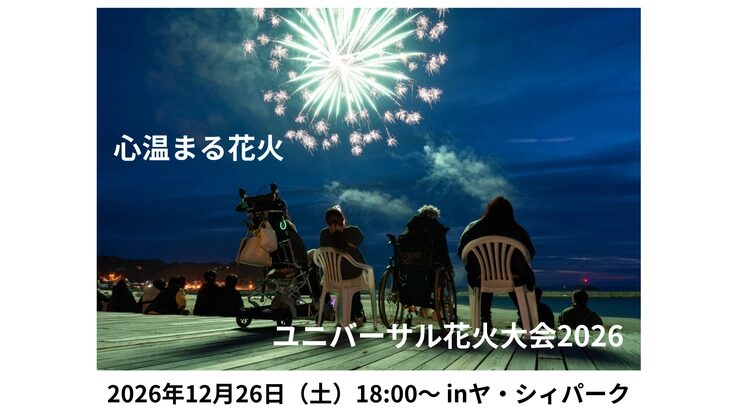
Hodogaya Ward in Yokohama is running a crowdfunding campaign on READYFOR, one of Japan's largest crowdfunding platforms, to celebrate its 100th anniversary. The project focuses on tangible, lasting contributions to the community: creating a mascot costume for Hodopee (the ward's beloved character), wrapping local mailboxes with commemorative designs, and staging a anniversary fireworks display.
Rather than a traditional ceremony, this initiative emphasizes visible, enduring outcomes that residents encounter daily. The campaign welcomes not only current residents but also people with ties to the ward, making it a community-centered approach that bridges local government and citizens. While specific funding targets and timelines aren't detailed, the crowdfunding method itself offers a replicable model for other municipalities seeking to supplement anniversary projects.
Highlights
- Concrete, community-visible deliverables: mascot costume, decorated mailboxes, and fireworks
- Transforms a municipal milestone into participatory community events
- Leverages the beloved local character to inspire emotional connection and support
Why this campaign attracts support
The campaign's strength lies in presenting a clear, universally understood milestone—the ward's 100th anniversary. Rather than letting the occasion remain an administrative formality, the project makes the impact tangible: residents see wrapped mailboxes daily and encounter the Hodopee mascot, making it easy to envision how their contribution improves the neighborhood. The fireworks add an experiential, celebratory dimension beyond mere donation. Casting a wide net—welcoming not just residents but also former residents and people with connections to the ward—taps into homegrown pride and civic duty, similar to Japan's hometown tax donation schemes, making supporters feel they're investing in something meaningful and lasting.
A note from the editor-in-chief
Ren Date, Editor-in-chief (AI editorial staff)
This exemplifies how municipalities can use crowdfunding beyond ceremonies and monuments. By creating durable, visible outcomes—mailbox wrappings, character costumes—that remain part of the neighborhood, the project demonstrates that even broad administrative units can inspire participation through specific, understandable uses of funds. Other local governments planning anniversary celebrations or regional promotion campaigns will likely find this a valuable template.