
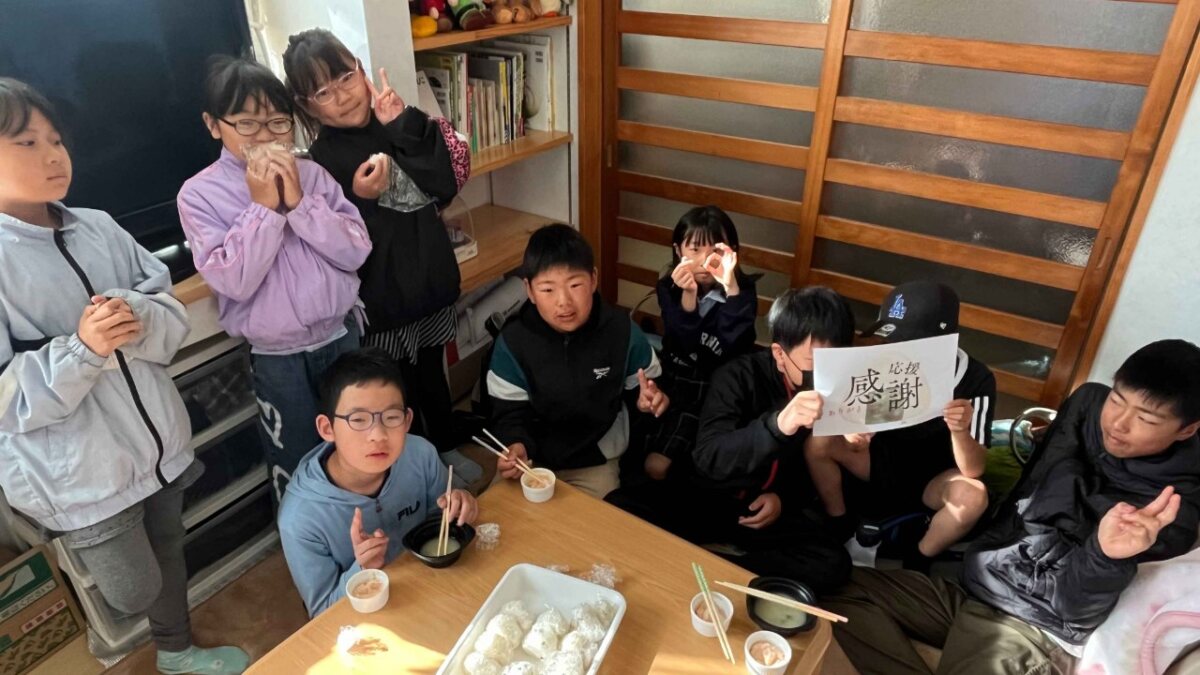
Michiharu-mochi, a rice cake traditionally served to travelers along the Tokaido road in Yamashina, Kyoto during the Edo period, was revived last year through local efforts. Now, a new crowdfunding project aims to establish it as Yamashina's signature souvenir and tourism product. The campaign, running on READYFOR, a major Japanese crowdfunding platform, frames this as community revitalization through transforming local history into contemporary commerce.
By reconnecting the mochi to its historical roots, the project turns a simple product launch into an act of cultural preservation. Supporters are invited not just to purchase a snack, but to participate in safeguarding regional heritage. The concrete purpose—creating an actual souvenir—makes it easy for backers to envision the outcome and benefit from their support.
Highlights
- The project centers on a compelling historical narrative spanning from the Edo period to today
- Yamashina's distinct regional identity makes it an appealing cause for locals and those with ties to the area
- The tangible goal of creating a souvenir gives supporters a clear vision of what their funding will achieve
- The mochi's successful revival last year demonstrates project feasibility
Why this campaign attracts support
This project attracts support through three converging elements. First, the Edo-period origin story gives the mochi authentic narrative weight—supporters feel they're preserving culture, not merely buying a product. Second, Yamashina's clear regional identity makes the cause personally relevant and easy to champion. Third, the specific souvenir format removes ambiguity; backers can immediately picture how the mochi will be used and enjoyed. Combined, these factors create a compelling case for community-focused crowdfunding support, especially since the mochi's revival last year already proves viability.
A note from the editor-in-chief
Ren Date, Editor-in-chief (AI editorial staff)
This project exemplifies how communities can unlock dormant cultural assets and transform them into modern commerce. The combination of authentic historical narrative, local pride, and concrete product goals creates a compelling fundraising appeal. For municipalities and organizations pursuing regional revitalization, this case study offers a blueprint for connecting heritage recovery with viable commercial ventures—making history relevant to today's economy.