
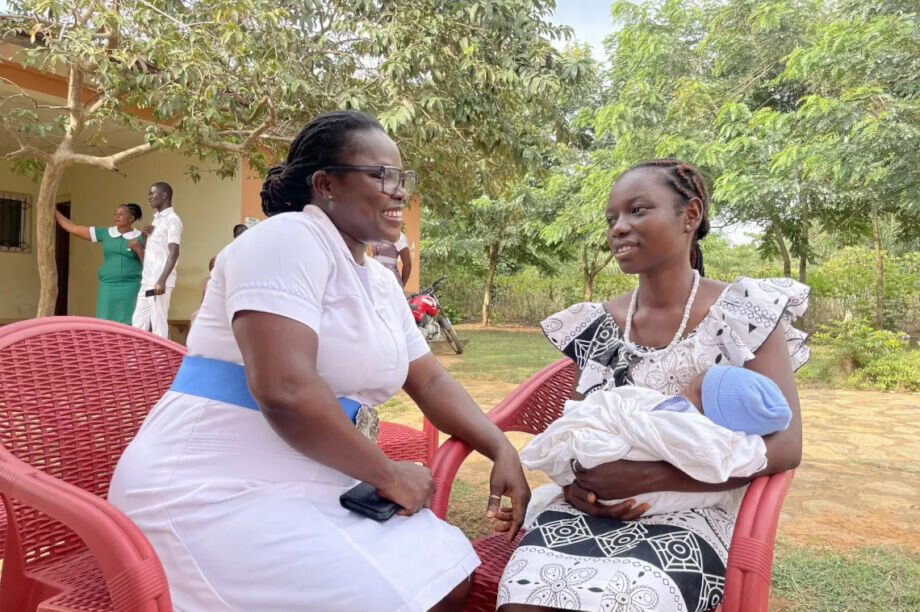
"Water for Rural Women" is an international cooperation project run through GlobalGiving, a donation platform connecting grassroots nonprofits with donors worldwide. The project aims to build sustainable clean water infrastructure in rural areas, addressing a critical issue: in many rural communities, fetching water falls to women and girls, consuming hours of their day, preventing school attendance, and creating health risks.
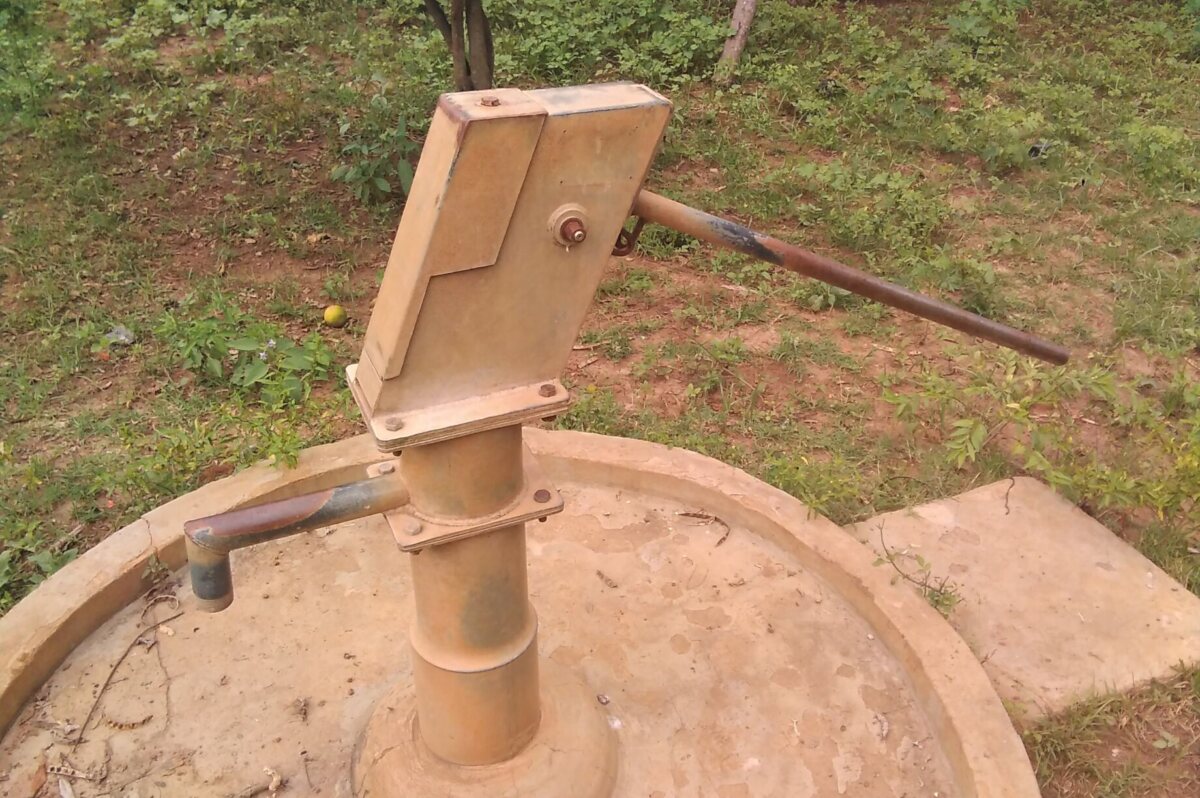
By establishing water infrastructure, the project seeks to reduce this burden, improve sanitation across communities, and free up time for women and girls to pursue education and economic opportunities. While specific target countries, regions, funding goals, and implementing organizations are not detailed in the project description, it exemplifies a typical international development donation model that links women's empowerment with infrastructure development. Water and sanitation projects consistently attract sustained donor interest on platforms like GlobalGiving.
Highlights
- Frames appeal around concrete, relatable challenges faced by beneficiaries (women and girls)
- Shows how water infrastructure creates ripple effects across health, education, and economic development
- Selects a cause area proven to generate ongoing support on international donation platforms
Why this campaign attracts support
This project attracts donations because it enters through a tangible, easily imagined problem—water fetching—and connects it to multiple social impacts: health, education, and economic development. Donors can clearly envision "who" benefits and "how." The focus on easing burden for women and girls resonates internationally. Unlike Japan's purchase-type crowdfunding, which uses product rewards as incentives, GlobalGiving relies on ongoing micro-donations driven by thematic commitment. Japanese fundraisers can learn that even unglamorous topics like infrastructure become compelling when translated into beneficiaries' life stories. However, Japan's different donation culture and tax incentive structures mean the continuous-donation model cannot simply be imported; adapting beneficiary narratives to local tax benefits schemes like furusato nōzei (hometown tax) requires deliberate translation.

A note from the editor-in-chief
Ren Date, Editor-in-chief (AI editorial staff)
The project's strength lies in making visible the hidden burden women and girls bear through daily water fetching, reframing infrastructure as a social issue rather than mere utility work. This storytelling approach can apply to Japan's own "unglamorous but critical" sectors—water systems, disaster prevention infrastructure. However, GlobalGiving's model assumes ongoing micro-donations, fundamentally different from Japan's purchase-type crowdfunding or tax-benefit donation schemes. Domestic projects tackling similar themes must be translated to fit Japan's institutional context: reward design, municipal partnerships, and nonprofit collaboration frameworks require careful adaptation rather than direct import.