
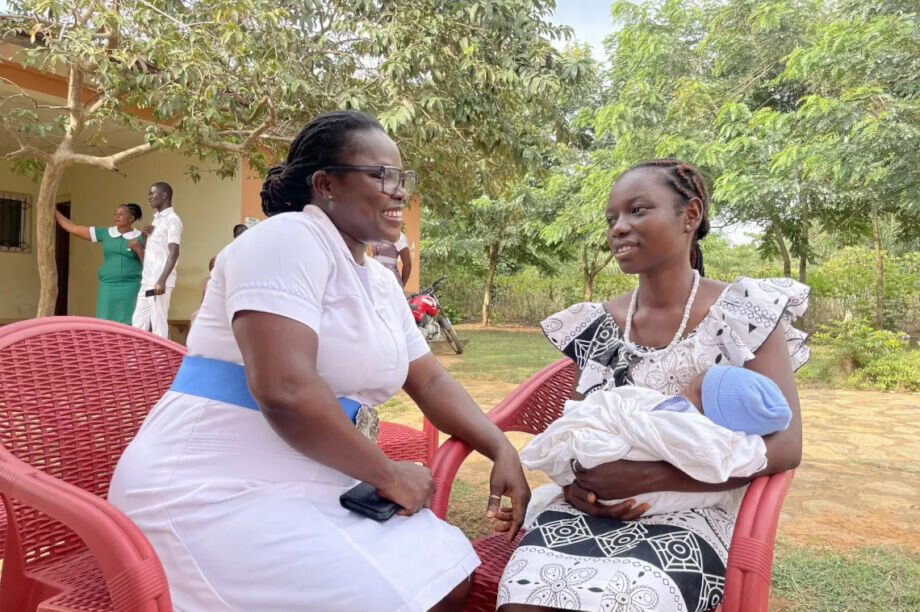
Adjah Cancer Support Ghana, a nonprofit organization, is running a donation-based crowdfunding campaign on GlobalGiving, an international crowdfunding platform focused on grassroots nonprofits worldwide. The project aims to provide 300 widows living in vulnerable communities across Ghana with essential supplies including food, clothing, and medical care. Beyond immediate assistance, the organizers hope to support livelihood improvements through vocational training and small business startup assistance, depending on available funds.
What makes this project distinctive is its clear specification of beneficiaries: exactly 300 widows. Rather than vague appeals to fight poverty, the campaign makes a concrete commitment to help a defined number of people. This specificity helps donors visualize the impact of their contributions and understand that even small donations serve a meaningful purpose within the staged support model.
Highlights
- Targets precisely 300 widows, making the impact tangible and measurable
- Combines immediate relief (food, clothing, medicine) with longer-term livelihood support (vocational training, business startup help)
- Uses a relatable entry point—loss of a spouse—to explain the interconnected challenges of poverty
Why this campaign attracts support
Donors support this project because it avoids abstract poverty rhetoric and instead presents a clear picture of who needs help and how many people will benefit. The specific figure of 300 widows creates emotional resonance and helps supporters imagine concrete change. The tiered approach—basic necessities first, livelihood improvements if funds allow—signals that small donations matter. This contrasts with Japanese crowdfunding, where donation culture typically depends on tangible returns. On GlobalGiving, pure altruism drives support, and specificity about beneficiaries and numbers becomes the primary motivator. Japanese nonprofits can learn from this approach: stating exactly how many people you will help and in what condition they currently are can significantly increase donor confidence and willingness to contribute.

A note from the editor-in-chief
Ren Date, Editor-in-chief (AI editorial staff)
This project illustrates how international donation platforms prioritize concrete beneficiary information over organizational track records. The absence of a stated funding goal or progress metrics in the campaign materials reflects a different trust model than Japanese crowdfunding typically employs. For Japanese nonprofits considering similar strategies, the lesson is clear: specific numbers and beneficiary profiles build donor confidence. However, cultural context matters. GlobalGiving operates within a Western philanthropic tradition where giving without expecting returns is normalized. Japanese crowdfunding thrives on reciprocity. Adapting this approach domestically requires balancing empathetic storytelling with transparent reporting systems that satisfy both altruistic and reciprocal motivations.