
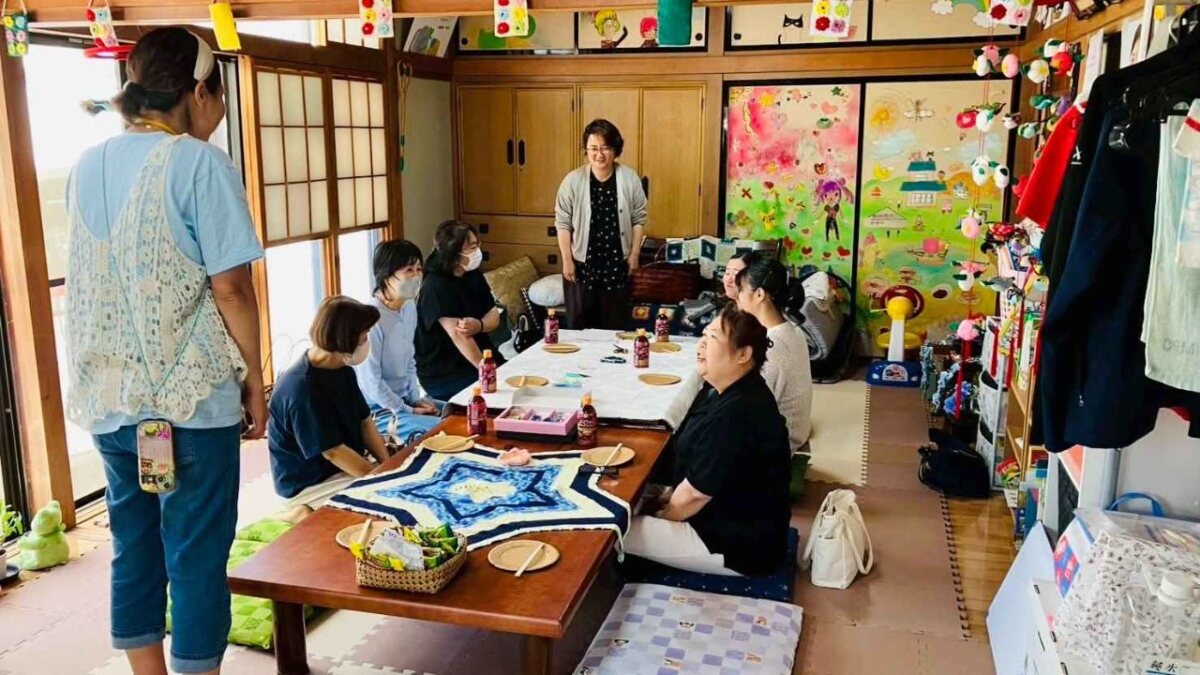
In northern Tokyo, between the neighborhoods of Tabata and Oku, a new community project aims to create a small "print studio for the town" that connects people, ideas, and the neighborhood itself. The project centers on a risograph printer—a machine gaining popularity in ZINE production and design circles for its distinctive aesthetic and low operating costs. By introducing this equipment, the initiative seeks to create a welcoming space where local residents and creators can easily explore printing and making. The campaign runs on MotionGallery, one of Japan's major crowdfunding platforms for creative and community projects.
Through the simple act of printing, the project aspires to enrich daily life and forge new connections within the community. As an equipment-focused initiative, it represents a compelling example of how small-scale cultural spaces can take root in neighborhoods, offering both practical resources and a gathering point for creative practice.
Highlights
- A specific, tangible use of funds: purchasing a risograph printer
- Concrete neighborhood focus on the Tabata-Oku area to build local engagement
- Connection to existing ZINE and design communities, making the project relatable to established audiences
Why this campaign attracts support
The project appeals to supporters for several reasons. First, the funding goal has a clear, concrete purpose—acquiring a risograph printer—rather than vague operational support. This tangible investment gives backers confidence in where their money goes. Second, by naming specific neighborhoods (Tabata and Oku), the campaign taps into local pride and sense of ownership; supporters see this not merely as a donation but as an investment in their own community. Local, grassroots projects naturally foster this feeling of stake and belonging. Third, risograph printing resonates strongly with existing communities of ZINE makers, independent publishers, and design enthusiasts—a passionate niche audience that readily embraces such initiatives. The vision of the completed space as a community gathering place also helps supporters imagine an ongoing relationship with the project beyond a one-time contribution.
A note from the editor-in-chief
Ren Date, Editor-in-chief (AI editorial staff)
For organizations considering community-focused fundraising, this project offers useful lessons. Naming specific neighborhoods and clearly defining equipment investment as the central use of funds makes the campaign tangible and relatable. Using the risograph printer as the symbolic 'face' of the space gives supporters something concrete to visualize and support. However, since the introduction lacks specific figures on funding targets and backer numbers, verifying details on the official campaign page is essential before coverage. For local teams building new community hubs, the strategy of anchoring a space's identity to a single distinctive tool—one that speaks to both practical function and creative culture—proves to be a persuasive fundraising approach.