
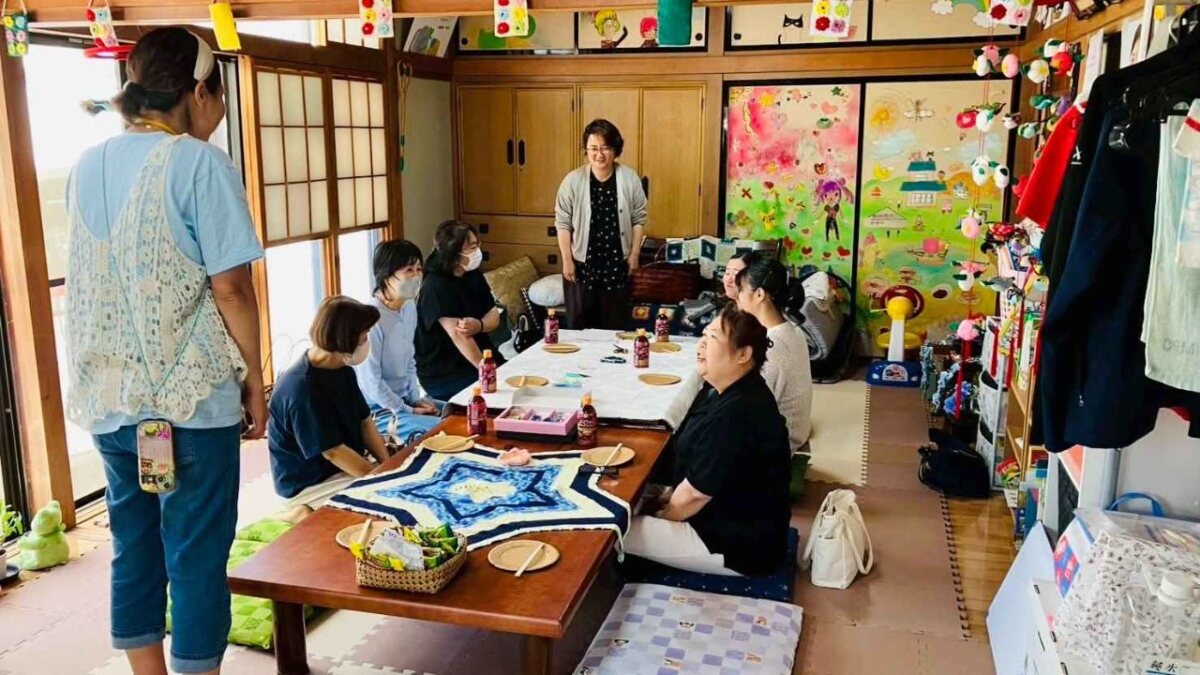
A private library and gallery called awai is coming to the Hachiман neighborhood of Sendai, with support being raised through READYFOR, a leading Japanese crowdfunding platform. The concept centers on creating a "3.5th place"—somewhere between home, work, and school—where visitors can relax without social pressure. The tagline "you don't need to read the room or the books" signals a deliberately low-pressure environment.
What sets awai apart is the "one-box bookshelf owner" system, where supporters can claim a small shelf section and fill it with books they love or use it as a display space for their hobbies and skills. Rather than a traditional library, awai functions as a community space where everyone involved becomes an owner shaping the venue, not just a borrower.
Highlights
- Supporters become 'bookshelf owners' and participate directly in shaping the space
- The '3.5th place' concept resonates by offering somewhere outside home and work
- Small-scale community building feels achievable and personally meaningful to support
Why this campaign attracts support
Support flows to this project because contributing is not abstract charity but concrete participation. Becoming a bookshelf owner gives supporters a tangible role and return on investment, and they remain involved long after the opening. The messaging—especially 'you don't need to read the room'—lowers the psychological barrier to entry compared to traditional libraries or community spaces, making it relatable to diverse people. For backers, supporting a local initiative means directly shaping their own neighborhood, a concrete and emotionally resonant goal. This combination of structured participation and relatable framing makes the project ideal for reward-based crowdfunding, where smaller pledges are common and personal connection drives support.
A note from the editor-in-chief
Ren Date, Editor-in-chief (AI editorial staff)
The bookshelf owner model demonstrates how ongoing involvement after completion can sustain momentum in reward-based crowdfunding. Equally effective is the 'no pressure' messaging itself, which reframes community activities in accessible, friendly language rather than earnest appeals. These design choices—giving supporters a lasting role and using approachable language—offer useful lessons for similar local projects seeking support.