
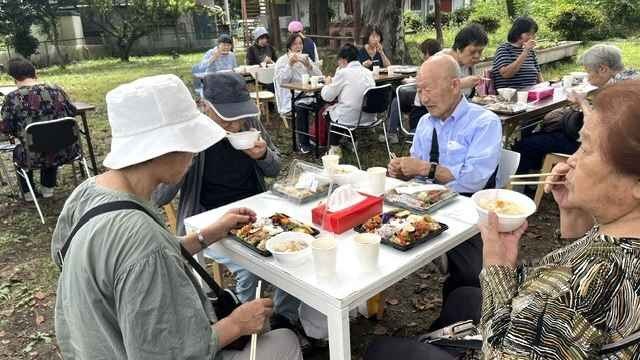
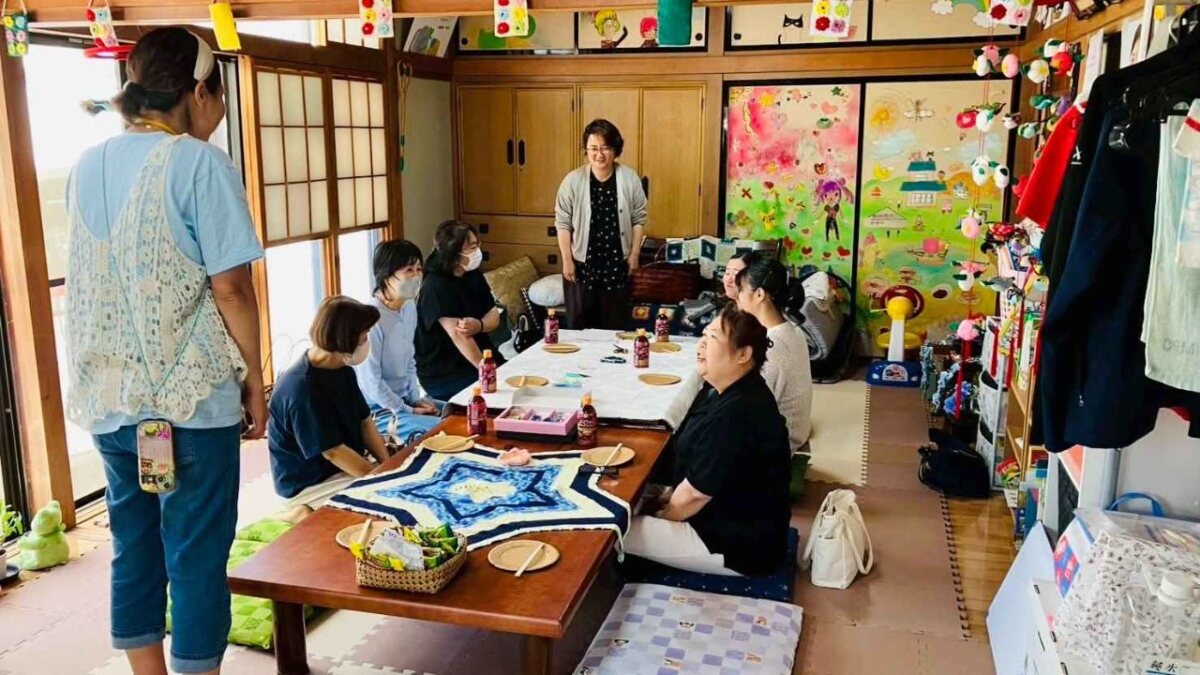
A project in Yoshino, Nara Prefecture, aims to breathe new life into a historic farmhouse and approximately 40 ume (Japanese apricot) trees by combining lodging, forestry and agriculture, food culture, and community learning. Rather than simply restoring the old building or creating a tourist facility, the initiative focuses on rebuilding a community where people support one another, anchored in the region's ume orchards and traditional village culture. Launched through READYFOR, one of Japan's major donation and purchase-based crowdfunding platforms, the project addresses persistent challenges including rural depopulation, vacant buildings, and a shortage of agricultural workers.
The project's distinctive approach integrates multiple functions—accommodation, farming, food, and education—to propose a sustainable model for village life. By weaving together these diverse elements under a unifying vision of mutual support, it creates multiple entry points for supporters and expands its potential base of contributors.
Highlights
- Uses local resources—the historic home and ume orchard—as the narrative foundation
- Combines lodging, agriculture, food culture, and education to create multiple points of connection
- Emphasizes the social value of revitalizing rural areas in a tangible, emotionally resonant way
Why this campaign attracts support
The project attracts support by connecting multiple activities—lodging, agriculture, food, and education—under one compelling vision of communal village life, rather than presenting isolated infrastructure improvements. Supporters are drawn not only to concrete returns like overnight stays or ume-based products, but to a story about sustaining a way of life itself. The specificity of Yoshino's history and the tangible ume orchards make the vision feel real and imaginable, rather than an abstract call for rural revitalization. The clarity of what needs preserving—the old house and trees—provides strong motivation. Additionally, the multi-faceted approach widens the supporter base, appealing to travel enthusiasts, agricultural interests, food culture lovers, and educators alike.

A note from the editor-in-chief
Ren Date, Editor-in-chief (AI editorial staff)
What stands out about this project is that it doesn't merely preserve local resources like the farmhouse and orchard, but reconnects them through lodging, agriculture, food, and learning to propose an entirely new way of village living. Though specific fundraising targets and return details are not available in the project description, the structure of creating multiple points of emotional connection around local resources offers a valuable model for similar initiatives elsewhere. As the project develops, tracking its progress and the final return design would provide useful insights for rural revitalization efforts.