
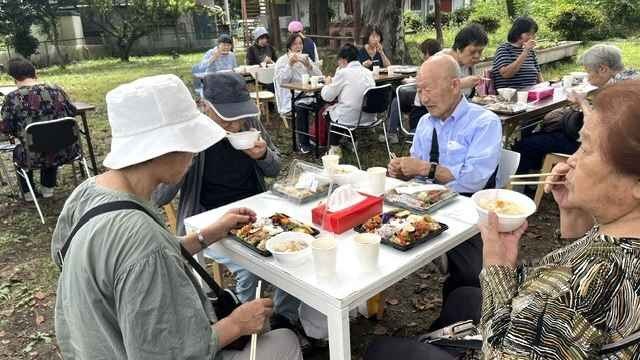
This project, crowdfunding through READYFOR, aims to establish "Frailty Prevention Clubs" where older adults themselves take the lead in preventing frailty—a condition that often leads to falls, fractures, and long-term care needs. The initiative seeks 4 million yen to build a system where seniors maintain their own health rather than relying entirely on professionals and government services. The project reflects growing recognition that in Japan's rapidly aging society, community-based peer support is essential alongside formal care systems.
Frailty prevention resonates widely because it addresses a challenge anyone may face, while positioning older adults not as passive recipients of care but as active agents of their own wellbeing. By embedding health maintenance in mutual aid within local communities, the project frames itself as an investment in regional sustainability—something donors can relate to personally, whether thinking of their own future or that of family members.
Highlights
- Puts older adults themselves at the center of the design, making it easier to connect emotionally
- Directly tackles the social challenge of care prevention, appealing to administrators and health professionals
- Creates a peer-support model within communities that can be replicated in other regions
Why this campaign attracts support
The project attracts support because it addresses frailty—a universal concern—while telling a story where older adults are protagonists, not charity cases. Rather than simply delivering welfare services, it builds a system of self-help and mutual aid among residents. This framing resonates with donors as relevant to their own future and their families' wellbeing, positioning the effort as an investment in community resilience. Growing media attention to frailty and its health risks has raised public awareness, while the model aligns with integrated community care systems that local governments and healthcare professionals are developing, encouraging sustained engagement beyond one-time donations.
A note from the editor-in-chief
Ren Date, Editor-in-chief (AI editorial staff)
What sets this project apart is reframing older adults from passive recipients of support to active stewards of community health. Rather than depend on professionals and government services to solve care prevention, the design relies on neighbors supporting one another—a model valuable for municipalities, nonprofits, and health professionals building integrated community care systems. Frailty prevention also appeals broadly as a personal issue: donors naturally see it as touching their own or their family's future, so the project reads as investment in community sustainability, not just welfare spending. As resident-led prevention activities expand, this initiative deserves close attention as a promising model for aging societies.