
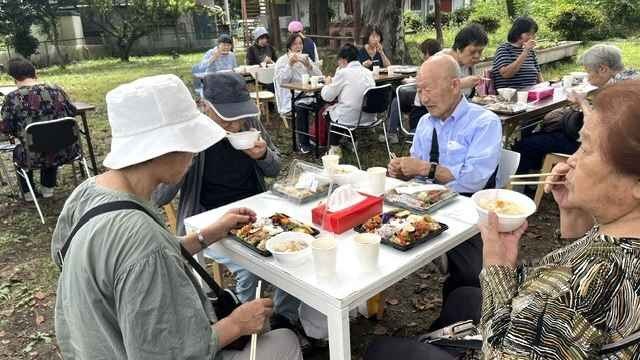
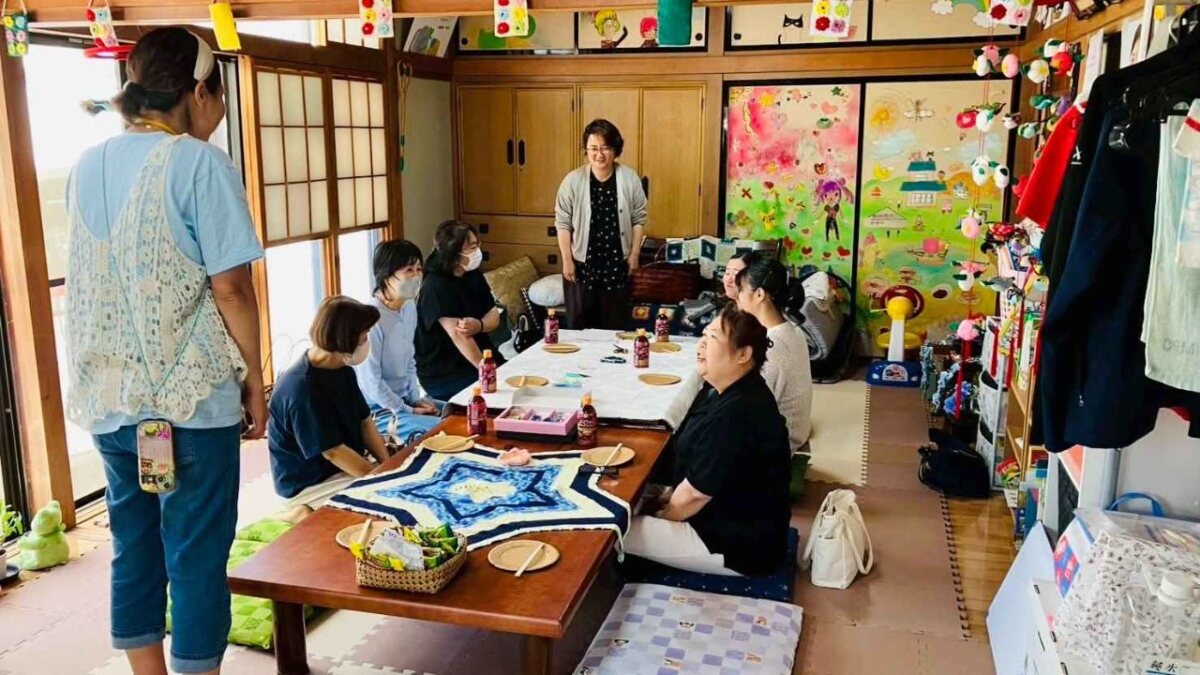
A support organization that has served struggling residents in Akita's Tegata district for 12 years is renovating an abandoned storefront into a welcoming café. The space will function as both a children's cafeteria and a gathering spot for multiple generations—offering affordable meals, a safe place for young people and elderly residents to connect, and a consultation window for those facing hardship.
The project combines welfare and community revitalization. Rather than a standalone social service, it's designed as a public café where any community member can naturally participate. By converting an empty storefront into an active neighborhood gathering place, the organization addresses urban decline while expanding its support work. Crowdfunding covers part of the renovation costs, building on the organization's 12-year track record and existing community ties.
Highlights
- 12 years of proven community support work builds donor trust
- Hybrid model—welfare services and open café—appeals to diverse supporters
- Vacant storefront becomes a tool for both social aid and neighborhood revitalization
- Clear consultation function demonstrates concrete social impact beyond food service
Why this campaign attracts support
The project attracts support primarily because of the organization's 12-year history. This established track record creates confidence that doesn't exist for new ventures. Equally important is the inclusive design: by framing the space as a café open to all, rather than a specialized facility, the project invites the entire community to participate as stakeholders, not outsiders. The choice to address multiple goals—fighting child poverty, creating spaces for seniors, preventing isolation, and tackling urban decline—resonates across different donor motivations. Making the consultation support function explicit gives the project clear social purpose beyond meal provision. Finally, by requesting funds only for construction costs rather than operations, the organization presents a concrete, achievable goal that feels realistic.
A note from the editor-in-chief
Ren Date, Editor-in-chief (AI editorial staff)
This is a noteworthy example of blending welfare and community development. The organization's 12-year history of supporting struggling residents gives the project credibility, while the design as an inclusive café—rather than a specialized facility—encourages broad participation. The explicit mention of a consultation window transforms it from a food service into comprehensive support. The approach of converting a vacant storefront into an active community space demonstrates how addressing urban decline and social isolation can advance together. By limiting the crowdfunding request to renovation costs, the project feels grounded and achievable.