
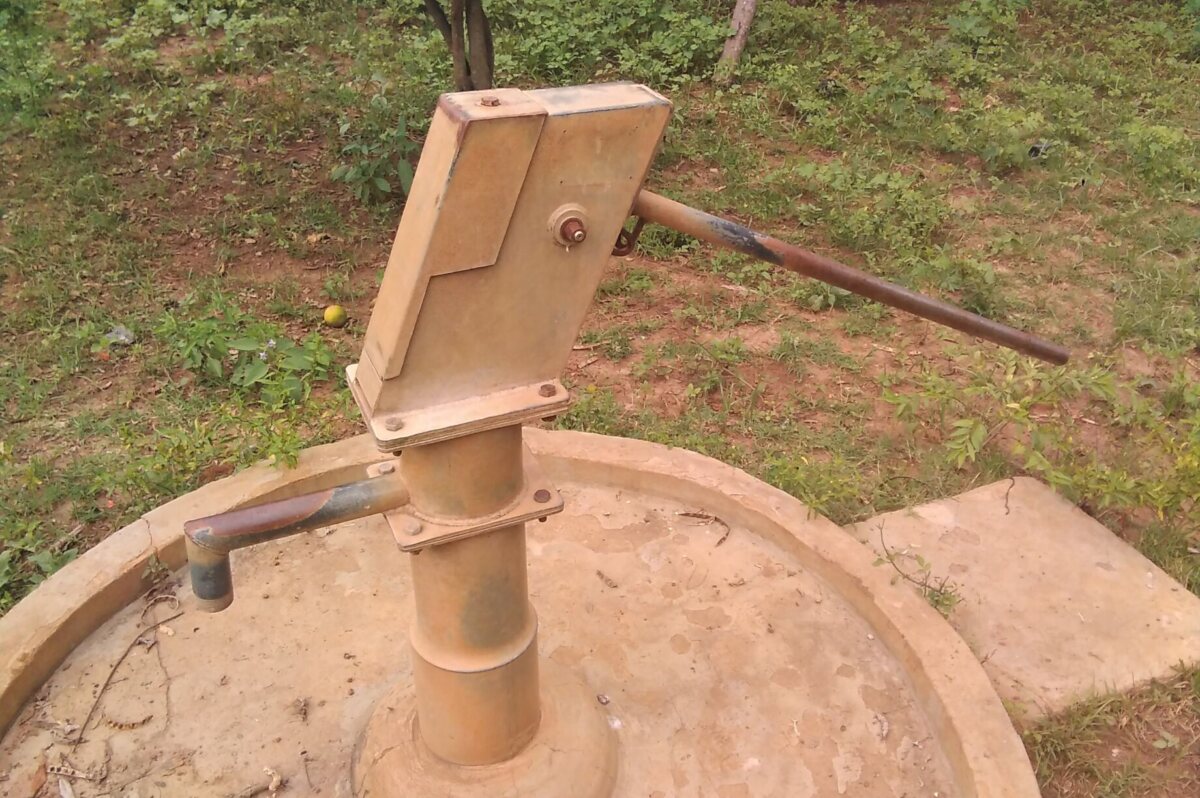
In Apalis village, Kumi District, Uganda, five of the six communal wells have broken down, forcing 1,500 residents to walk 5 kilometers daily to collect contaminated water from ponds shared with livestock. The village faces serious health risks from water-borne diseases and the burden of time spent on water collection. A restoration initiative is underway, with local residents taking the lead in repairing and rehabilitating the broken hand-pump wells through GlobalGiving, an international donation platform.
Once the wells are restored, residents will regain access to safe drinking water, reducing disease risk while freeing up time and energy previously spent on water collection. This improvement promises to restore both the health and dignity of the community.
Highlights
- Five of six communal wells are broken; residents walk 5km daily for contaminated water
- Local residents lead the repair effort, building community ownership and sustainability
- Small-scale infrastructure projects show clear, measurable impact from modest donations
Why this campaign attracts support
The project succeeds in attracting support because the problem is extremely concrete and quantified. Facts like "1,500 people," "5 kilometers," and "5 out of 6 wells broken" help donors immediately visualize the situation and imagine how their contribution will make a difference. The structure—where local residents themselves drive the repairs rather than receiving one-way external aid—resonates with modern donors seeking projects that emphasize self-help and long-term sustainability. These elements build trust and emotional connection. For Japanese crowdfunding campaigns addressing infrastructure or daily-life challenges, using specific numbers and vivid descriptions of impact proves highly effective in mobilizing support.

A note from the editor-in-chief
Ren Date, Editor-in-chief (AI editorial staff)
This project exemplifies how concrete, quantified challenges capture donor attention. The image of "1,500 people walking 5 kilometers daily" and "5 out of 6 wells broken" makes the situation viscerally real and the impact of donations immediately comprehensible. The model of community-led repair—rather than top-down external intervention—aligns with contemporary donor values around ownership and sustainability. Japanese crowdfunding projects tackling infrastructure or livelihood issues can learn from this approach: combining specific numbers with vivid descriptions of real-world impact proves highly effective in mobilizing support.